
Electronic board design is a crucial aspect of modern electronics. It involves the creation of printed circuit boards (PCBs) that serve as the foundation for electronic devices. PCBs are used in a wide range of applications, from smartphones and computers to medical devices and automobiles.
Designing a PCB involves several steps, including schematic capture, component selection, and layout design. The schematic capture involves creating a diagram that represents the electrical connections between the components. Component selection involves choosing the appropriate components for the circuit, such as resistors, capacitors, and integrated circuits. The layout design involves arranging the components on the board and routing the electrical connections between them. The goal is to create a PCB that is compact, reliable, and efficient.
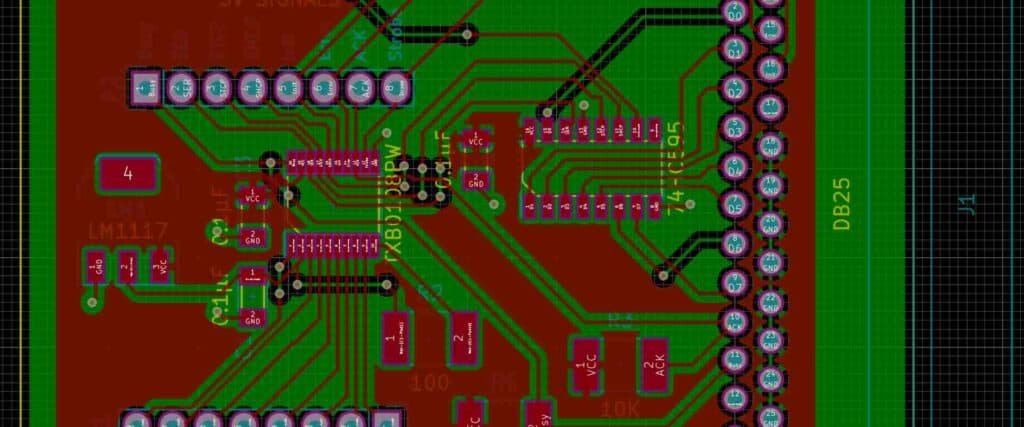
The Importance of Electronic Board Design
Electronic board design is a crucial aspect of any electronic device. It is the foundation upon which the rest of the device is built. The design of the board can have a significant impact on the performance, reliability, and cost of the device.
The design of the electronic board determines the layout of the components, the placement of the traces, and the routing of the signals. A well-designed board will have optimized placement of components and traces, which can reduce the length of the signal paths and minimize the potential for interference. This, in turn, can improve the performance of the device and reduce the likelihood of errors or malfunctions.
In addition, a well-designed board can improve the reliability of the device. By minimizing the potential for interference and optimizing the placement of components, the board can reduce the likelihood of damage to the device due to electrical or thermal stress.
Finally, the design of the board can also have a significant impact on the cost of the device. A poorly designed board may require additional components or more complex manufacturing processes, which can increase the cost of the device. On the other hand, a well-designed board can simplify the manufacturing process and reduce the overall cost of the device.
In conclusion, the importance of electronic board design cannot be overstated. A well-designed board can improve the performance, reliability, and cost of the device, while a poorly designed board can have the opposite effect. Therefore, it is essential to invest time and resources into the design of the electronic board to ensure that it meets the needs of the device and the end-users.
Key Considerations for Electronic Board Design
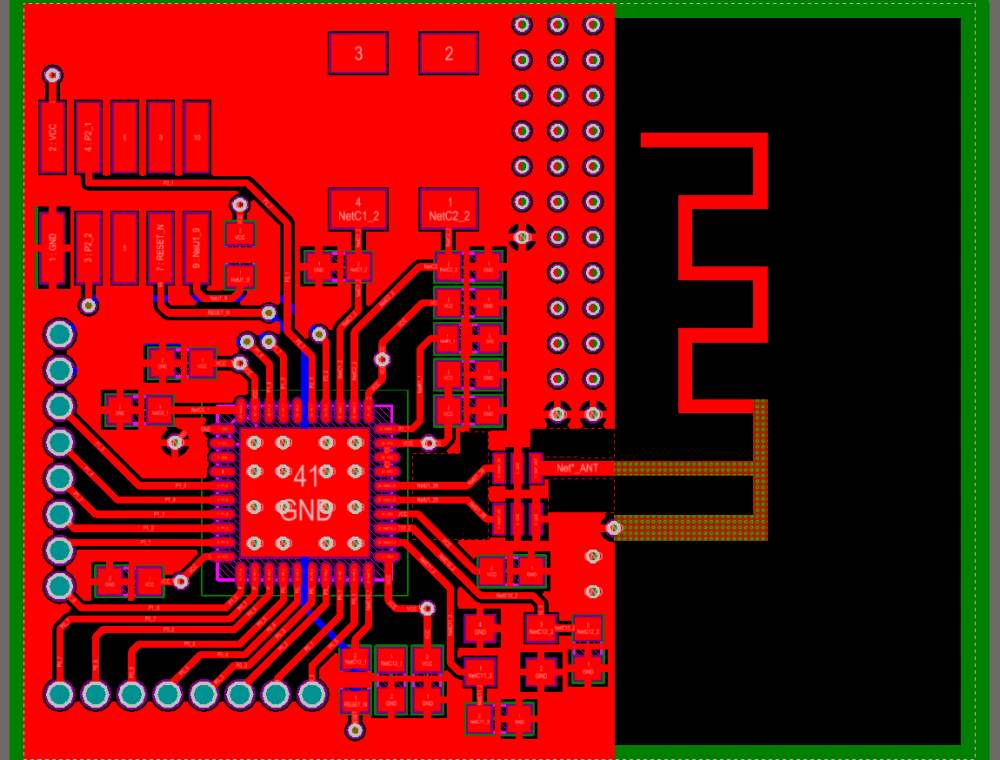
Size and Shape
The size and shape of an electronic board are crucial factors to consider during the design process. The board’s size and shape determine the amount of space available for components and the board’s overall functionality. When designing a board, it is important to consider the size and shape of the enclosure it will be housed in, as well as the space available for wiring and other components.
Power and Heat Management
Proper power and heat management is essential for electronic board design. Excessive heat can damage components, and insufficient power can cause the board to malfunction. To ensure proper power and heat management, designers must consider the power requirements of all components and the board’s overall power consumption. They should also consider the board’s operating environment and the potential for heat buildup.
Signal Integrity
Signal integrity is another critical consideration for electronic board design. It refers to the ability of the board to transmit signals without distortion or noise. To ensure proper signal integrity, designers must consider the board’s routing, grounding, and shielding. They should also consider the placement of components and the potential for electromagnetic interference.
In summary, when designing an electronic board, it is important to consider the size and shape of the board, power and heat management, and signal integrity. These factors can significantly impact the board’s functionality and performance. By carefully considering these key considerations, designers can create boards that meet the needs of their intended application.
| Point | Description |
|---|---|
| Size and Shape | Determines space for components and board functionality |
| Power and Heat Management | Essential to prevent damage and malfunction |
| Signal Integrity | Critical for transmitting signals without distortion or noise |
Designing for Manufacturability

When designing electronic boards, it’s important to keep in mind the manufacturing process. Designing for manufacturability (DFM) is the process of designing a product so that it can be easily and efficiently manufactured. This not only saves time and money but also improves the overall quality of the product. Here are some tips for designing for manufacturability:
1. Keep it simple
Simplicity is key when it comes to designing for manufacturability. The more complex a design is, the more difficult it will be to manufacture. Keep the design as simple as possible while still meeting all the necessary requirements.
2. Minimize the number of components
Reducing the number of components in a design can also help simplify the manufacturing process. Every component added to a design adds complexity and cost. Try to consolidate multiple components into a single component when possible.
3. Use standard components
Using standard components can also simplify the manufacturing process. Standard components are readily available and familiar to manufacturers, which can reduce the risk of errors during assembly.
4. Consider the assembly process
When designing a board, it’s important to consider the assembly process. Components that are difficult to place or solder can slow down the manufacturing process and increase the risk of errors. Keep components that require special handling to a minimum and make sure they are clearly marked.
5. Test early and often
Testing early and often can help catch any issues with the design before they become major problems during manufacturing. This can save time and money in the long run.
By keeping these tips in mind when designing electronic boards, you can ensure that your design is optimized for manufacturability. This will not only save time and money but also improve the overall quality of the product.
Tools and Techniques for Electronic Board Design
Schematic Capture
Schematic capture is the process of creating a graphical representation of an electronic circuit. It is an essential tool for electronic board design. There are many software tools available for schematic capture, including Altium Designer, Eagle PCB, and KiCad. These tools allow designers to create and modify schematics quickly and efficiently. They also provide features such as automatic netlist generation, component libraries, and design rules checking.
PCB Layout Design
PCB layout design is the process of arranging components and routing traces on a printed circuit board (PCB). It is a critical step in the electronic board design process. PCB layout design software tools such as Altium Designer, Eagle PCB, and KiCad provide a range of features, including auto-routing, design rule checking, and 3D visualization. These tools help designers create efficient and reliable PCB layouts that meet the required specifications.
Simulation and Analysis Tools
Simulation and analysis tools are essential for electronic board design. They allow designers to test and validate their designs before they are manufactured. These tools help designers identify and correct design errors, optimize performance, and reduce costs. Popular simulation and analysis tools include LTSpice, PSpice, and TINA-TI. These tools provide a range of features, including circuit simulation, waveform analysis, and frequency analysis.
In conclusion, electronic board design requires a range of tools and techniques. Schematic capture, PCB layout design, and simulation and analysis tools are essential for creating efficient and reliable designs. Designers should use the appropriate tools and techniques for their specific requirements to achieve the best results.
Testing and Verification
Testing and verification are critical aspects of electronic board design. These processes ensure that the board is functioning as intended and is free of errors. A thorough testing and verification process can save time and money by identifying issues early on in the design process.
One common testing method is the use of simulation software. This software allows designers to simulate the behavior of the board in a virtual environment, which can help identify potential issues before the board is physically built. Simulation software can also be used to test the board’s performance under different conditions, such as varying temperatures or power supply voltages.
Another important aspect of testing and verification is the use of test equipment. This equipment can include oscilloscopes, multimeters, and logic analyzers, among others. These tools are used to measure and analyze various aspects of the board’s performance, such as signal quality and timing.
In addition to testing the board itself, it is also important to test the board’s interfaces with other components. This can include testing the board’s compatibility with different types of sensors or actuators, as well as testing its communication protocols with other devices.
Overall, a thorough testing and verification process is essential for ensuring the reliability and functionality of an electronic board. By using simulation software and test equipment, designers can identify and address potential issues early on in the design process, saving time and money in the long run.
Common Pitfalls and How to Avoid Them

Designing electronic boards is a complex task that requires attention to detail and careful planning. Even the most experienced designers can make mistakes that can lead to costly delays or even failure of the project. Here are some common pitfalls to avoid when designing electronic boards:
1. Overcomplicating the Design
One of the most common mistakes is overcomplicating the design. Adding unnecessary features or components can increase the cost of the board and make it more difficult to manufacture. To avoid this, it’s important to focus on the essential functions of the board and keep the design as simple as possible.
2. Not Considering the Manufacturing Process
Another common pitfall is not considering the manufacturing process when designing the board. It’s important to choose components that are readily available and easy to assemble. This can help reduce the cost and time required for manufacturing.
3. Not Testing the Design
Testing is an essential part of the design process, but it’s often overlooked. Not testing the design can lead to errors that can be difficult to correct later on. It’s important to test the board thoroughly before moving on to the production phase.
4. Not Following Design Rules
Design rules are guidelines that help ensure the board is designed correctly. Not following these rules can lead to errors and make the board difficult to manufacture. It’s important to follow the design rules provided by the manufacturer or use a design rule checker to ensure the board is designed correctly.
5. Not Considering Environmental Factors
Environmental factors such as temperature, humidity, and vibration can affect the performance of the board. It’s important to consider these factors when designing the board and choose components that can withstand the conditions it will be exposed to.
In conclusion, designing electronic boards requires careful planning and attention to detail. By avoiding these common pitfalls, you can ensure that your board is designed correctly and manufactured efficiently.
Future Trends in Electronic Board Design

As technology continues to advance, electronic board design will continue to evolve. Here are some of the future trends we can expect to see in electronic board design:
-
Miniaturization: Electronic boards will continue to get smaller and more compact, allowing for greater portability and flexibility in their use. This will require designers to develop new techniques for packing more components into smaller spaces.
-
Increased Integration: Electronic boards will become more integrated, with multiple functions integrated into a single board. This will require designers to have a deep understanding of a wide range of technologies and how they can be combined to create more efficient and effective designs.
-
Wireless Connectivity: With the rise of the Internet of Things (IoT), electronic boards will increasingly need to be designed with wireless connectivity in mind. This will require designers to be familiar with a range of wireless technologies and protocols, and to be able to design boards that can communicate with a wide range of devices.
-
Greater Efficiency: As energy efficiency becomes an increasingly important consideration, electronic boards will need to be designed with power consumption in mind. This will require designers to develop new techniques for reducing power consumption without sacrificing performance.
-
Advanced Materials: As new materials become available, electronic board designers will have more options for creating boards that are more durable, lightweight, and flexible. This will require designers to stay up-to-date on the latest advancements in materials science.
In conclusion, the future of electronic board design looks bright, with designers continuing to push the boundaries of what is possible and creating new and innovative designs that will shape the future of technology.